July 30, 2026
Modern homes are evolving rapidly, and one of the most noticeable changes is how technology is being integrated into everyday features. Entryways, once considered purely functional, are now becoming central to both convenience and security. As a result, door installation is no longer just about placing a physical barrier between the indoors and outdoors. It now involves incorporating smart technology that enhances how homeowners interact with their spaces. From keyless entry systems to connected security features, these advancements are redefining what homeowners expect from their doors.
As lifestyles become more connected, homeowners are prioritizing features that offer both efficiency and control. Smart door systems allow users to monitor and manage access remotely, improving both security and convenience. These systems are often integrated into broader home automation platforms, creating a seamless experience across devices. A professionally executed installation ensures that these technologies are properly integrated, allowing homeowners to take full advantage of their capabilities without compromising reliability or performance.
According to the US Department of Housing and Urban Development, smart locks and connected hardware account for more than 25% of new residential door installations. This shift highlights how quickly technology is becoming a standard component in modern homes. As adoption continues to grow, understanding how these innovations impact installation is essential for homeowners looking to upgrade their spaces. Here are key ways smart technology is changing modern installation trends and shaping the future of home design.
Integrating Smart Security Features
Enhancing Access Control Systems
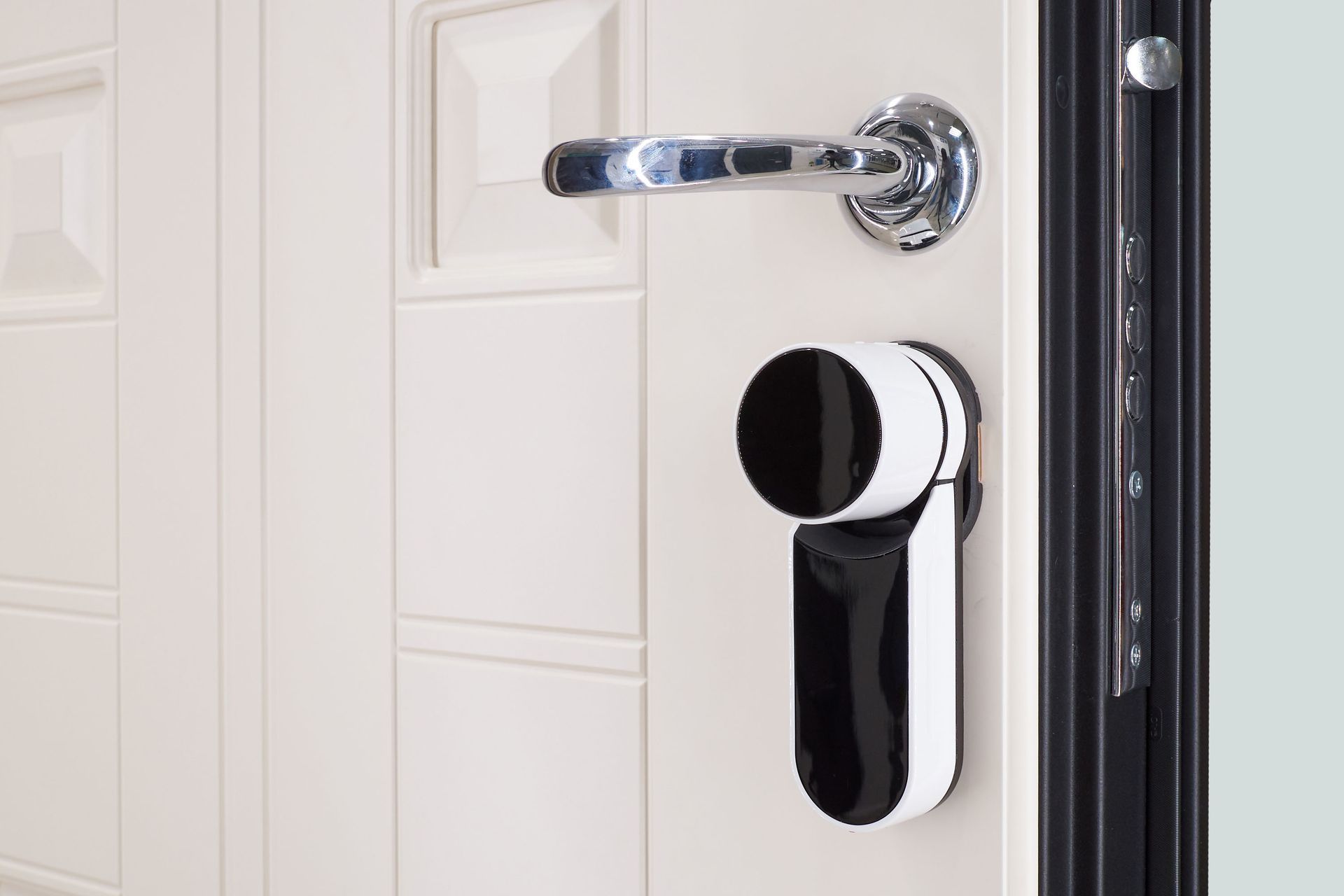
One of the most significant changes in modern door installation is the integration of advanced access control systems. Smart locks allow homeowners to control entry through mobile devices, keypads, or biometric recognition. This eliminates the need for traditional keys while providing greater flexibility and control over who can enter the home. These systems can also be customized to allow temporary access for guests or service providers.
Supporting Real-Time Monitoring
Smart door systems often include real-time monitoring capabilities, allowing homeowners to receive alerts when doors are opened or accessed. This added visibility enhances security and provides peace of mind. With proper installation, these systems can function seamlessly, ensuring consistent performance and accurate notifications.
Improving Remote Accessibility
Remote access is a key feature of smart door technology. Homeowners can lock or unlock doors from anywhere, making it easier to manage access even when away from home. This convenience is particularly valuable for busy households or those who frequently travel.
Strengthening Overall Home Security
By combining multiple security features into a single system, smart door solutions create a more comprehensive approach to home protection. Professional installation ensures that these components work together effectively, providing reliable security without gaps or vulnerabilities.
Enhancing Convenience Through Automation
Streamlining Daily Routines
Automation has become a defining feature of modern homes, and door installation is no exception. Smart doors can be programmed to lock automatically at specific times or when the homeowner leaves the property. This reduces the need for manual operation and helps ensure that doors are always secured.
Integrating With Smart Home Systems
Smart door technology often integrates with other home automation systems, such as lighting, security cameras, and climate control. This interconnected approach creates a more cohesive living environment where multiple systems work together seamlessly.
Reducing Manual Interaction
Touchless entry options, such as motion sensors or voice commands, are becoming increasingly popular. These features reduce the need for physical interaction, enhancing convenience and accessibility for homeowners.
Supporting Efficient Access Management
Automation allows for more efficient management of access permissions. Homeowners can easily update or revoke access as needed, ensuring that only authorized individuals can enter the property.
Improving Energy Efficiency and Performance
Enhancing Insulation Capabilities
Modern installation incorporates materials and designs that improve insulation, helping to maintain consistent indoor temperatures. This contributes to better energy efficiency and reduces strain on heating and cooling systems.
Reducing Air Leakage
Smart door systems often include improved sealing mechanisms that minimize air leakage. Proper installation ensures that these features function effectively, supporting a more controlled indoor environment.
Supporting Climate Control Integration
Some smart doors can be integrated with climate control systems, allowing for automated adjustments based on door usage. This helps maintain comfort while optimizing energy use.
Promoting Long-Term Efficiency
Energy-efficient door installation not only improves comfort but also supports long-term cost savings. These benefits make smart doors an attractive option for homeowners looking to enhance both performance and sustainability.
Incorporating Advanced Design and Aesthetics
Adapting to Modern Architectural Trends
Smart door technology is designed to complement contemporary architectural styles. Sleek designs, minimal hardware, and integrated technology create a modern appearance that enhances overall curb appeal.
Offering Customizable Features
Homeowners can choose from a variety of finishes, materials, and design elements to match their preferences. This flexibility ensures that door installation aligns with the overall aesthetic of the home.
Combining Functionality With Style
Modern doors are designed to balance functionality and visual appeal. Smart features are often seamlessly integrated into the design, maintaining a clean and polished look.
Enhancing Property Presentation
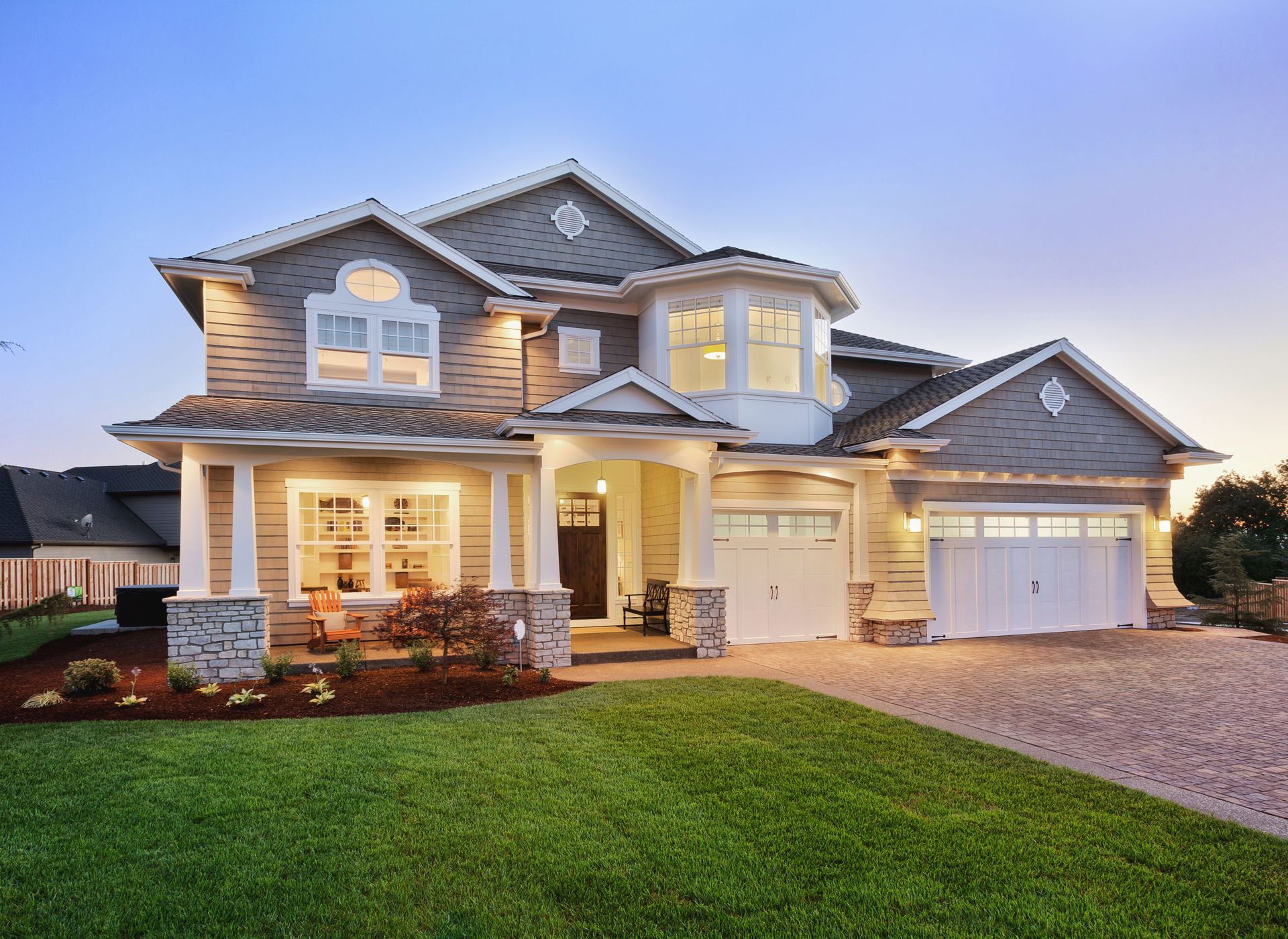
A well-designed entryway can significantly improve the appearance of a home. Smart door solutions contribute to a more refined and contemporary presentation.
Strengthening Durability and Longevity
Using High-Quality Materials
Modern installations emphasize durable materials that withstand daily use and environmental conditions. These materials help extend the lifespan of the door and maintain its performance over time.
Supporting Advanced Manufacturing Techniques
Innovative manufacturing processes contribute to stronger and more reliable door systems. These advancements ensure consistent quality and improved resistance to wear and tear.
Reducing Maintenance Requirements
Smart door systems are designed to require less maintenance compared to traditional doors. This reduces the need for frequent repairs and helps maintain consistent performance.
Ensuring Long-Term Reliability
Professional installation ensures that all components are properly aligned and secured, supporting long-term reliability and durability.
Adapting to Evolving Homeowner Needs
Supporting Flexible Living Arrangements
Modern homes often accommodate changing lifestyles, including remote work and multi-generational living. Smart door systems provide the flexibility needed to manage access effectively in these environments.
Enhancing Accessibility Features
Smart technology can improve accessibility for individuals with mobility challenges. Features such as remote operation and automated entry make it easier to navigate the home.
Meeting Growing Security Expectations
As security concerns evolve, homeowners are seeking more advanced solutions. Smart door installation addresses these needs by providing enhanced protection and monitoring capabilities.
Preparing for Future Innovations
Technology continues to advance, and modern door systems are designed to adapt to future developments. This ensures that homeowners can continue to benefit from new features and improvements over time.
The integration of smart technology into door installation is transforming how homeowners approach security, convenience, and design. From advanced access control systems to improved energy efficiency and modern aesthetics, these innovations are redefining what doors can offer. As technology continues to evolve, the role of doors in the home will only become more significant.
By understanding these trends, homeowners can make informed decisions about upgrading their entryways. A well-planned approach ensures that smart features are integrated effectively, providing both immediate benefits and long-term value. As adoption continues to grow, smart door systems are becoming an essential component of modern living.
If you’re ready to enhance your home with modern solutions, contact K.D. Yoder & Associates today to learn how professional door installation can bring advanced technology, improved security, and lasting value to your property.