October 14, 2026
Home improvement planning used to follow a predictable script. Homeowners picked one big-ticket project, like a new roof or fresh siding, and treated everything else as an afterthought. That's changing. Today, windows and doors are showing up at the beginning of the planning conversation instead of the end, and there's good reason for it. They affect energy bills, security, comfort, curb appeal, and even how a house feels from room to room.
Homeowners across Columbus and the surrounding communities are noticing that these openings do more work than almost any other part of the exterior. Understanding how their role has shifted can help you plan smarter, avoid costly surprises, and get more from every dollar you spend.
Below, we'll look at how the market is moving, which materials and features matter now, how timing shapes your project, and how to build a plan that holds together from the front walk to the back patio. Whether you're updating one room or the whole exterior, the way you think about these features can make or break the result. A little forethought now goes a long way toward a home that looks great and performs even better.
Reading the Market Signals
Plenty of homeowners assume that a slower market means they should wait. The numbers tell a more nuanced story. According to Window + Door Magazine, orders for windows and doors fell 4% compared with the previous year in February 2024. A dip like that doesn't mean people have stopped caring about their homes. More often, it shows that buyers are being pickier, comparing options more carefully, and spreading projects over a longer period instead of tackling everything at once.
That kind of cautious thinking can work in your favor. When demand cools a little, you often have more room to ask questions, request detailed estimates, and take the time to understand what you're buying. Rather than rushing, you can match each purchase to a real need, such as drafty bedrooms, a sticky patio slider, or an entryway that no longer feels secure.
Planning with intention beats planning out of urgency every time, and a measured market gives you space to do exactly that. It also lets you compare contractors, ask about warranties, and build a realistic budget before any work begins. In short, a quieter market rewards patient, informed shoppers. That's a healthy shift for homeowners and for the industry alike.
Weighing Function Versus Style
For years, the choice came down to looks. Homeowners picked whatever matched the house and moved on. Now function carries equal weight, and the best projects balance both. A well-chosen entry door should look inviting while also resisting warping, sealing tightly against winter drafts, and holding up to Ohio's swings between humid summers and freezing winters.
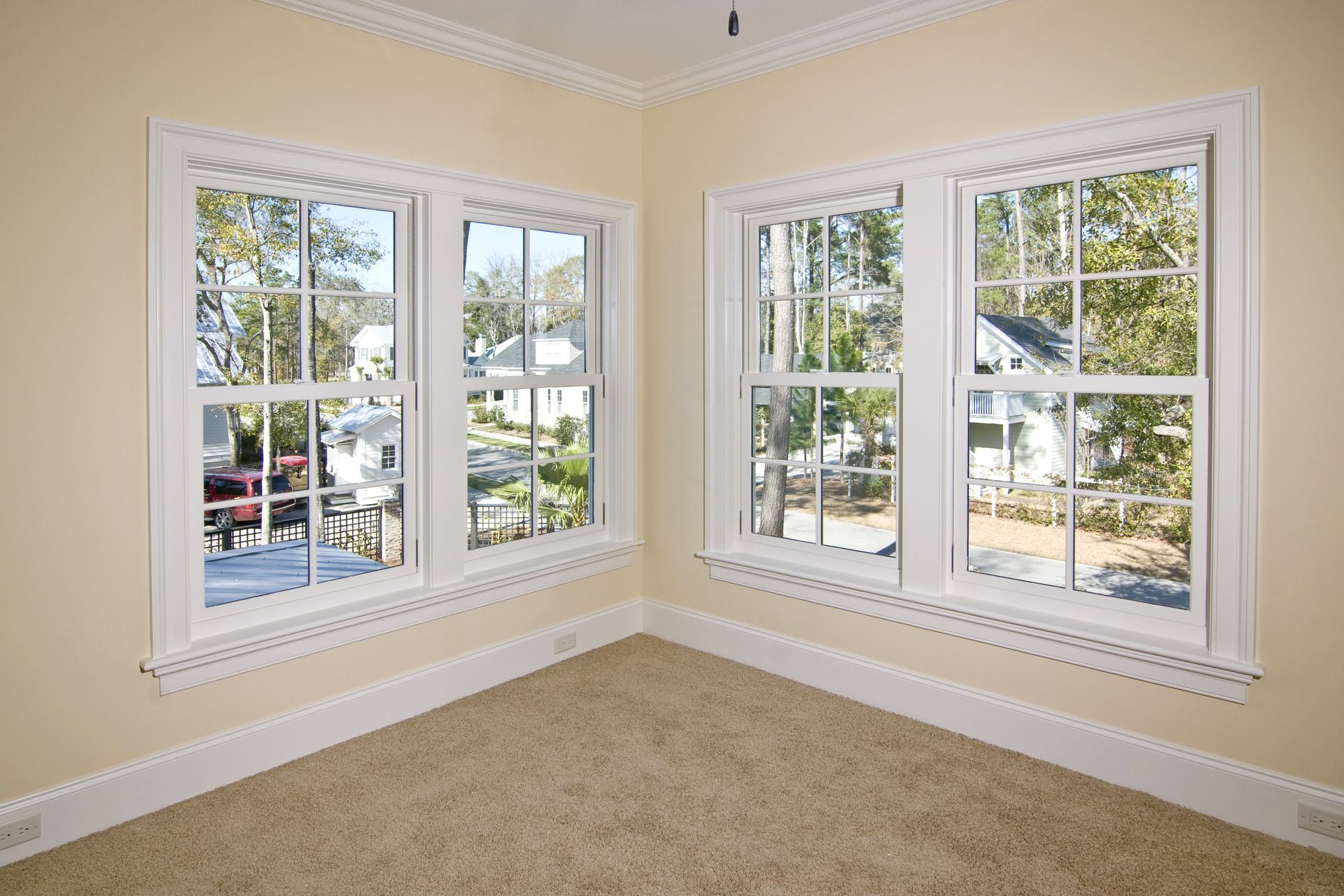
Windows follow the same logic. Double-hung, casement, bay, and sliding styles each handle light, airflow, and cleaning differently. A bay window might transform a dim dining room, while casement windows can capture a cross breeze in a tight space. Energy-efficient glass packages add another layer, helping reduce heating and cooling costs throughout the year.
The smartest approach is to list what frustrates you about your current setup before you ever look at a catalog. Maybe it's noise from the street, a cold spot near the front hall, or a door that sticks every August. Those everyday annoyances point toward the features worth paying for, and they keep you from overspending on upgrades that look impressive but don't solve anything. Once you know the problems you're solving, comparing quotes becomes much easier, because you can judge each option against your own priorities instead of a salesperson's pitch.
Selecting Durable Materials and Smart Features
Materials have come a long way. Fiberglass, steel, and wood-composite doors now offer impressive insulation and durability with far less upkeep than older options. Vinyl and other modern frames resist moisture and hold their shape, which means fewer headaches down the road. Each material has its strengths, so the right choice depends on your climate exposure, your budget, and how much maintenance you're willing to take on.
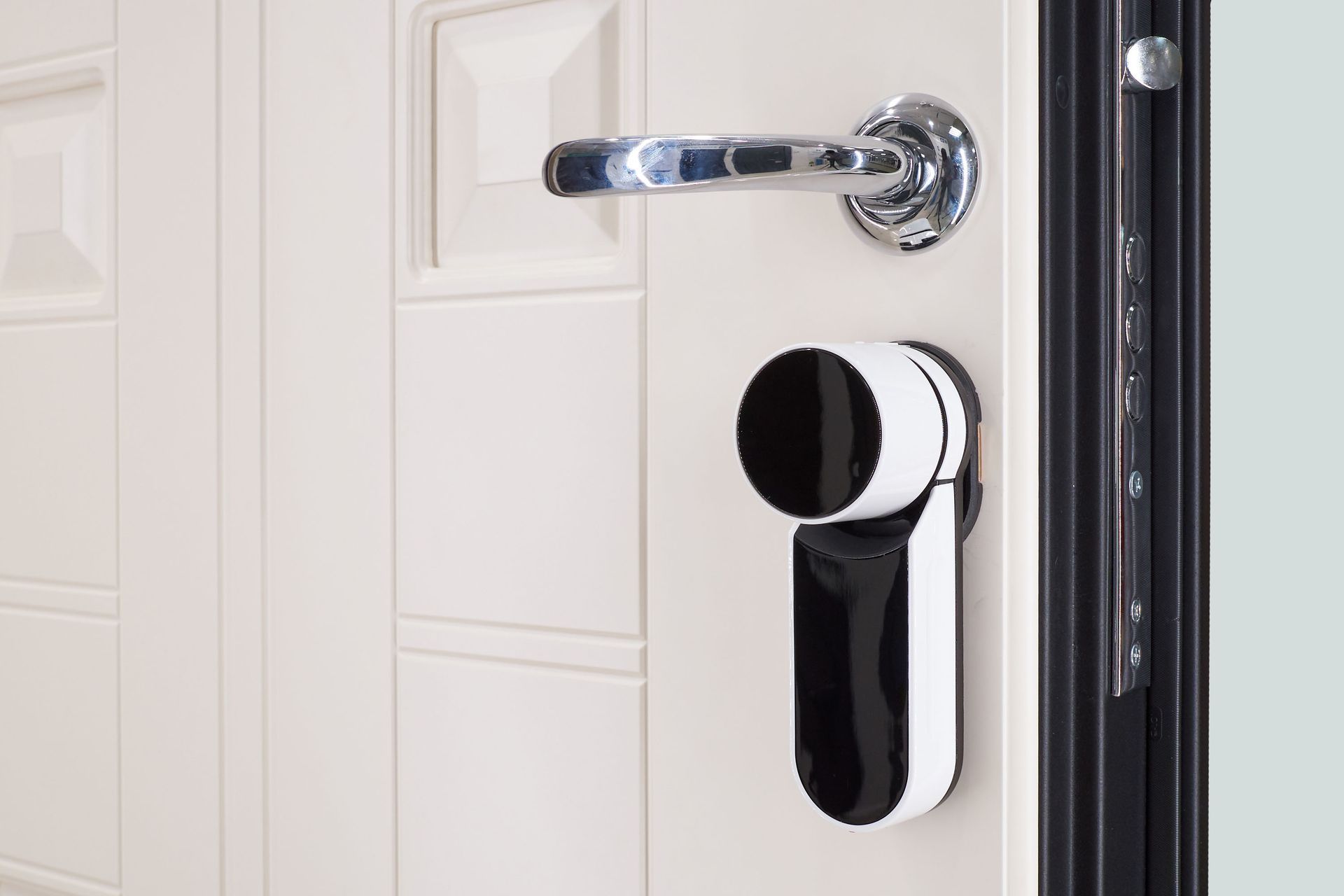
Technology has joined the conversation too. Smart locks, keyless entry, and integrated sensors are turning ordinary doors into part of a connected home. Many homeowners like the convenience of letting in a guest remotely or checking that the back door is locked from the driveway. Others prefer a simpler setup, and that's perfectly fine.
What matters is making these decisions early. If you want a smart lock on your front entry, it's easier to plan for that during installation than to retrofit later. Thinking through materials and features together helps your new openings work as a unified system instead of a pile of disconnected upgrades. Ask your installer how each product handles warranties, replacement parts, and software updates, since a fancy feature isn't worth much if it can't be serviced years from now.
Timing Projects Around Seasons
When you schedule matters almost as much as what you install. Replacement work opens your home to the outdoors, even if only briefly, so mild weather makes the process more comfortable and efficient. Late spring and early fall tend to be popular in central Ohio because temperatures are moderate and the forecast is more predictable.
Popular seasons fill up quickly, though. If you wait until the first cold snap reveals a drafty window, you might find yourself in a long line. Booking a consultation a few months ahead gives you time to measure, order, and prepare without pressure. Weather isn't the only factor, either. Product lead times can stretch several weeks, especially for custom sizes, special finishes, or made-to-order entry systems. Adding that wait time into your calendar keeps your project on track and your expectations realistic.
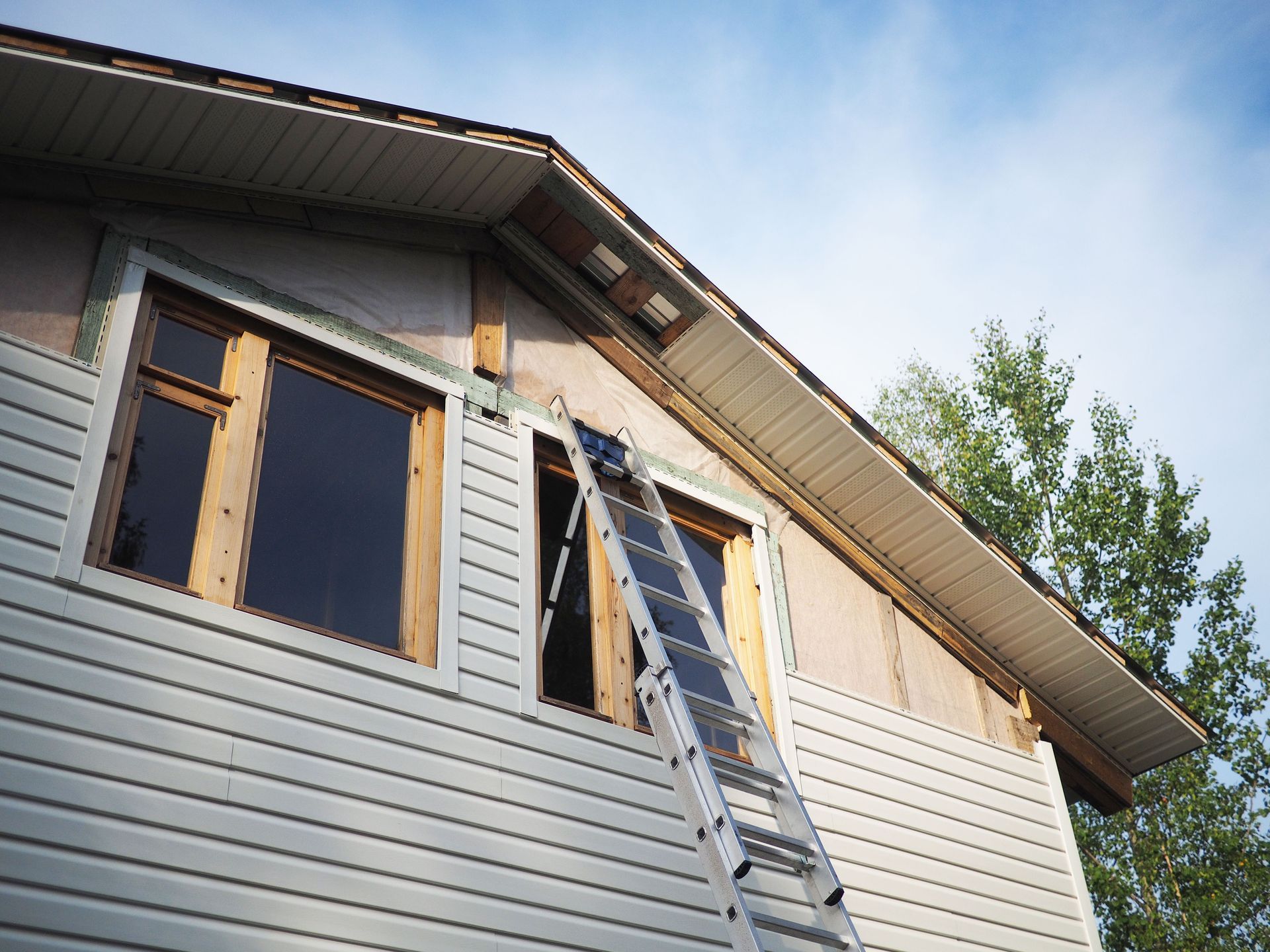
It also helps to coordinate your exterior work. If you're already planning new siding or roof repairs, adding windows and doors to the same schedule can streamline the process. Crews can align flashing, trim, and weatherproofing so everything integrates cleanly, which reduces the chance of leaks or mismatched finishes. Thinking in terms of one cohesive exterior project, rather than several disconnected ones, often saves both time and money.
Moving Forward With Confidence
The role of windows and doors in home improvement planning has grown well beyond simple replacement. They're now central to energy performance, security, resale appeal, and daily comfort, and the smartest homeowners treat them that way. By watching market trends, balancing style with function, choosing durable materials, and timing your project well, you can avoid rushed decisions and build an exterior that serves you for decades.
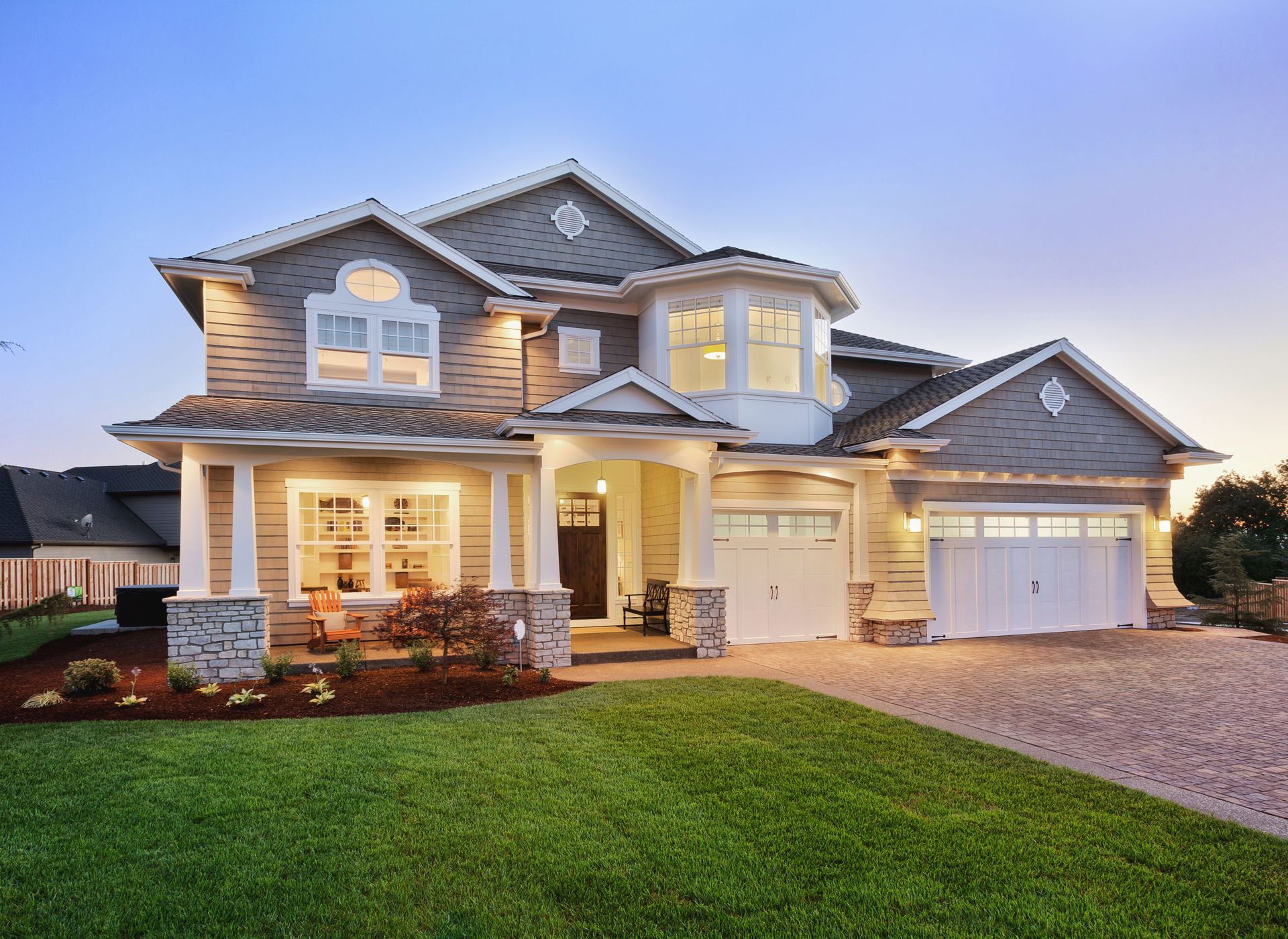
Just as importantly, remember that your home is a system. Siding, roofing, windows, and doors all work together to keep out weather, hold in comfort, and present your style to the neighborhood. When you plan them as a team, each upgrade strengthens the others, and your investment stretches further. That's the real value of thoughtful planning.
Start by walking around your home and noting what bothers you, from rattling panes to worn thresholds. Then bring those observations to a professional who can explain your options in plain language and offer a clear estimate. A thoughtful plan today prevents expensive repairs tomorrow, and it keeps your home looking sharp for years to come. If you're ready to turn your ideas into a real plan, call or request a free estimate today from K.D. Yoder & Associates.