July 31, 2026
This article delves into the evolving trends in materials and features for replacement entry doors. As homeowners seek both aesthetic appeal and functionality, the door industry has responded with innovative solutions. This piece examines these advancements to help you make informed decisions when selecting a new entryway. Entry doors are pivotal elements in home design, providing the first impression of one's personal space. Keeping abreast of the latest trends allows homeowners to make choices that not only serve practical purposes but also enhance visual appeal.
1. Innovative Materials for Durability
1.1. Advanced Fiberglass Composites
Fiberglass composite doors are gaining popularity due to their remarkable durability. These doors offer the ability to closely mimic the appearance of real wood without the associated maintenance issues. Homeowners appreciate the design flexibility, allowing for a variety of finishes and textures. Advanced manufacturing techniques also contribute to the doors’ resistance against warping, cracking, and splitting. In areas with severe weather, fiberglass doors provide reliable performance, maintaining their appearance and functionality over time.
1.2. Reinforced Steel Doors
Steel entry doors are a top choice for those prioritizing security. These doors provide excellent protection against forced entry, a critical feature for urban and suburban homes. Steel doors require minimal upkeep compared to traditional wood doors, making them economical in the long term. However, they can be susceptible to dents and scratches, though many come with a coating to minimize these effects. Despite these minor drawbacks, their robustness often outweighs any negatives, especially in areas prone to heightened security risks.
1.3. Sustainable Wood Alternatives
Innovation in sustainable wood alternatives has led to engineered wood gaining traction. Engineered wood consists of multiple layers bonded together to enhance strength and stability. This material often uses recycled wood fibers, reflecting a shift towards environmentally friendly home construction. Use of engineered wood not only reduces environmental impact but also provides high resistance to moisture and pests. Moreover, it offers the aesthetic warmth of traditional wood without the higher susceptibility to damage and decay.
1.4. Hybrid Materials
The combination of materials, such as steel and wood, results in hybrid doors that offer both aesthetic and structural benefits. These doors are designed for homeowners looking for a unique blend of beauty and practicality. Steel components provide strength and security, while wood offers a timeless, welcoming appearance. The appeal of hybrid doors is further augmented by their customizable options, allowing homeowners to tailor the look to fit their style. This trend reflects a growing demand for products that do not compromise on design or safety.
1.5. Weather-Resistant Treatments
Treatments and finishes that enhance a door's ability to resist harsh weather conditions are continuously improving. Weather-resistant coatings protect doors from UV rays, rain, and temperature extremes, prolonging their lifespan. In regions with severe climates, these treatments are a necessity rather than a luxury, ensuring the longevity of the door's aesthetic appeal and functional integrity. The result is reduced maintenance needs, giving homeowners peace of mind and preserving their investment. In line with consumer expectations, manufacturers are innovating coatings to meet various environmental challenges effectively.
2. Energy Efficiency Enhancements
2.1. Insulated Core Technology
Insulated core technology significantly enhances a door's thermal performance. The cores are often made from materials such as polyurethane or polystyrene, providing superior insulation properties. This technology minimizes heat transfer, contributing to a home’s overall energy efficiency and comfort. Insulated entry doors can reduce energy bills, a key consideration for cost-conscious homeowners. Such advancements reflect the broader industry trend towards integrating energy efficiency into every aspect of home design.
2.2. High-Performance Glazing Options
Double or triple glazed inserts are key innovations in energy-efficient door design. These glazed units help maintain indoor temperatures by preventing heat loss during colder months and reducing heat gain in warmer periods. They also provide sound insulation, enhancing the home's internal environment. Additionally, the use of clear or decorative glazing options allows homeowners to personalize their doors while maintaining energy efficiency. The careful integration of aesthetics and performance has led to high-performance glazing being a staple in modern entry door design.
2.3. Weather Sealing Innovations
Advanced weather sealing technologies play a crucial role in improving door performance. High-quality seals and gaskets prevent air and water infiltration, addressing common concerns about entry door efficiency. Innovations in materials, such as foam or rubber seals, provide enhanced durability and better performance over older systems. This technology helps maintain indoor comfort levels while reducing the need for frequent resealing. According to FGIAonline.org, new construction demand for entry doors declined by less than 1 percent in 2024, indicating a sustained interest in retrofit projects to upgrade existing openings with advanced sealing solutions.
2.4. Smart Energy Monitoring
The integration of smart technology into entry doors has brought new capabilities in energy management. Sensors and connected devices can monitor a door's thermal performance, alerting homeowners when energy loss surpasses certain thresholds. These systems can also provide automated suggestions on how to improve efficiency, such as recommending when to apply new weather seals or adjust optimal usage settings. Such innovations illustrate the consistent convergence of technology and everyday home elements, creating smarter living environments. The role of smart technology in home management will likely expand with the continued demand for cost-effective, eco-friendly living.
2.5. Reflective and Absorptive Surfaces
Doors with reflective and absorptive surfaces are designed to manage solar heat gain effectively. Reflective coatings deflect solar radiation, helping keep homes cooler in the summer. Conversely, absorptive materials can capture heat, beneficial in colder climates. This dual capability allows for tailored solutions based on regional climate needs, ensuring homeowners attain optimal energy efficiency. As awareness of climate impact grows, these surface treatments have become crucial elements in door designs, contributing to a home's energy balance.
3. Security Features and Technologies
3.1. Reinforced Lock Systems
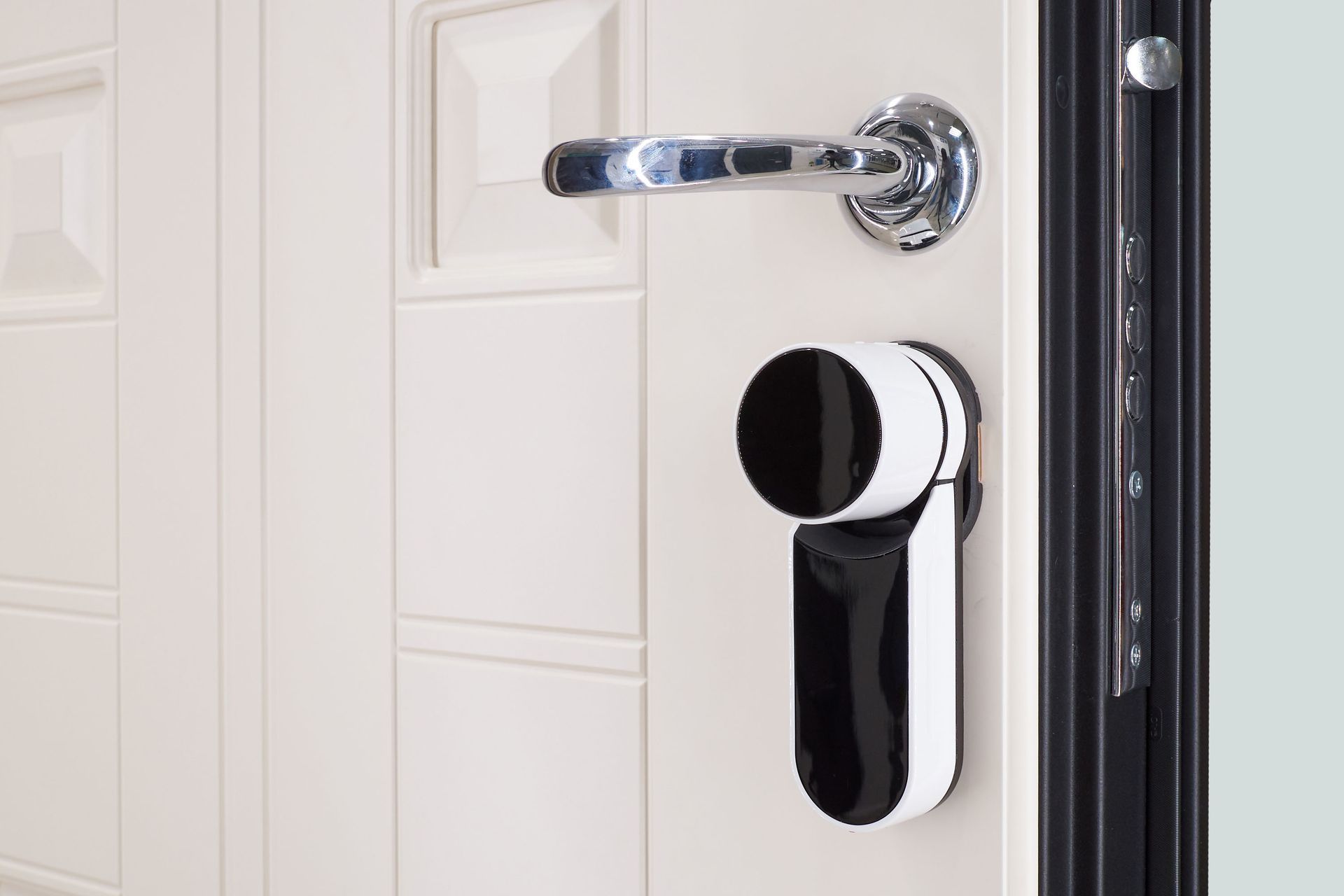
Reinforced lock systems are at the forefront of entry door security innovations. Manufacturers are introducing multi-point locking mechanisms that engage at multiple points with the door frame. This technology ensures that entry doors are almost impregnable, providing a robust defense against unauthorized access. Such advancements cater to the increasing consumer demand for heightened home security features. Moreover, these lock systems often come bundled with automatons, offering ease of use without compromising safety.
3.2. Biometric Access Controls
Biometric access is revolutionizing entry door security and convenience. Fingerprint and facial recognition technologies are increasingly being integrated into entry systems, offering seamless and secure access. These systems store user data locally, minimizing the risk of data breaches. Homeowners appreciate not needing to carry keys or remember codes, resulting in a balance of convenience and cutting-edge security. This trend reflects a broader move towards contactless technology, which has gained further relevance in recent years.
3.3. Impact-Resistant Materials
Impact-resistant materials provide security against forced entry attempts. Doors constructed with such materials often withstand assaults from heavy tools and projectiles, deterring potential intruders. This level of protection is crucial in urban settings where security threats might be higher. High-performance materials, like boron steel or reinforced glass, are designed to endure extreme forces, ensuring residents’ safety. The integration of these materials exemplifies the door industry's commitment to evolving security challenges actively.
As we have explored, the innovation in replacement entry doors encompasses a broad range of materials, features, and technologies, tailored to meet the diverse needs and preferences of homeowners. Understanding these trends is essential in selecting a door that not only enhances home security and energy efficiency but also complements personal style and budget considerations. Continued advancements promise even more exciting developments in the future of entry doors. Entry doors will increasingly incorporate smart technologies, improved materials, and enhanced designs. Staying informed on these trends helps you make decisions that ensure both present satisfaction and future readiness. Be sure to reach out to K.D. Yoder & Associates today to learn more about our professional doors!